





If you’re reading this, yes, that’s a mouse you see above. And if you’re stoned right now, well… there’s one on your shoulder—look, there it is.
For many years, cannabis has existed in a cultural gray zone. Some view it as a harmless way to unwind, others as a medicinal tool, and many as a substance whose long term effects remain underestimated. With rising legalization and increasingly potent products, conversations about cannabis use have become more complex. What does it really do to the brain over time? Why do some users experience changes they never anticipated? And what happens when someone who has used heavily for years finally stops?
The story of Dorian, who openly documented his six month journey after quitting daily cannabis use, offers a vivid look at these questions. His personal experiences line up with a growing body of research from institutions like The American Journal of Psychiatry, JAMA Network Open, GoodRx, and Medical News Today. When combined, his account and the current science create a clear picture of how cannabis can influence memory, motivation, mood, brain activity, and overall cognitive function.
What to know about the deadly cannabis hyperemesis syndrome
This article takes a neutral and informational approach, weaving together Dorian’s lived experience with contemporary research to help readers understand how long term cannabis use affects the brain and what recovery looks like.
How Cannabis Affects the Brain Over Time
Cannabis does not act on a single part of the brain. Instead, THC binds to cannabinoid receptors that are widely distributed throughout many regions governing memory, attention, decision making, emotional regulation, appetite, and learning. Neuroscientists first discovered the density of these receptors in the early 1990s, an event that significantly changed understanding of the drug and its effects.
According to the neuroscientist in Reference 3, endocannabinoids naturally act like amplifiers for important experiences. They help mark what is meaningful and worth remembering. When THC repeatedly activates these receptors, every stimulus can begin to seem significant. This constant highlighting eventually overwhelms the system, making everyday life feel comparatively dull. The brain adapts by downregulating cannabinoid receptors, meaning it becomes less responsive without THC.
Over time, this adaptation can influence mood, motivation, and cognitive performance. These changes may not affect every user in the same way, but research suggests that daily or heavy users are more likely to experience these shifts compared to occasional users.
Research on Long Term Cannabis Use and Cognitive Function
Several recent studies help explain why heavy cannabis use can affect cognition. A longitudinal study published in The American Journal of Psychiatry followed nearly one thousand individuals from childhood to age 45. According to the study, long term heavy cannabis users experienced an average decline of 5.5 IQ points from childhood. Participants also had slower processing speed and more difficulty with learning tasks relative to people who rarely or never used cannabis.
Importantly, those close to the participants often noticed memory lapses and attention problems. The study controlled for alcohol, tobacco, socioeconomic factors, and baseline intelligence, making the relationship between cannabis use and midlife cognitive changes more convincing.
Another major study published in JAMA Network Open looked at over one thousand young adults. Using MRI scans and seven cognitive tasks, researchers identified reduced brain activity during working memory tasks in heavy cannabis users. Working memory helps people hold information in their minds, follow instructions, and solve problems. Reduced neural activity in key regions like the dorsolateral prefrontal cortex and anterior insula correlated with poorer task performance.
The findings were consistent for both recent users and heavy lifetime users. This suggests that cannabis can influence brain activity even when long term use and recent use differ. While the study did not find significant impacts on all cognitive tasks, it confirmed a statistically significant effect on working memory.
Scientists emphasize that more research is needed to determine long term consequences, especially since THC potency has increased dramatically over the past several decades.
The First Phase of Quitting Dont listen to these people….
This is his experience…..
Dorian had smoked daily for years, describing weed as a constant companion. When he suddenly quit, the first few weeks were difficult. Withdrawal symptoms peaked early, which aligns with findings reported by Medical News Today. Research shows these symptoms often intensify in the first week and may last three weeks or longer.
Common symptoms include irritability, cravings, mood swings, reduced appetite, restlessness, headaches, and disrupted sleep. Dorian experienced many of these discomforts, describing the initial period as foggy and emotionally unstable.
A 2022 review on cannabis withdrawal found that people who use heavily or daily are more likely to experience strong symptoms. Women may experience more intense withdrawal than men, although researchers say more data is needed.
The Hidden Dangers of Cannabis-Induced Psychosis
Dorian pushed through this stage by focusing on stabilizing routines and allowing his brain time to adjust. According to multiple medical sources, cannabinoid receptors begin resetting within days, but full recovery can take several weeks.
Emotional and Mental Health Improvements
One of the most surprising changes for Dorian was the improvement in his mental health after several months without cannabis. He had believed for years that cannabis helped manage his anxiety and depression. However, once he quit, he realized that long term heavy use had actually intensified these issues.
This experience reflects findings discussed by GoodRx and other medical sources. Heavy cannabis use may be linked to anxiety, depression, and psychosis in some individuals. It is not always clear whether cannabis causes these conditions or exacerbates underlying tendencies. What is known is that THC temporarily boosts dopamine, which can create a reward cycle. Over time, the brain becomes accustomed to this artificial boost.
When Dorian stopped smoking, his thoughts became clearer and his emotions easier to manage. He began to differentiate between feelings rooted in personal issues and those intensified by chronic THC exposure. This process allowed him to reconnect with his natural emotional range without relying on cannabis as a coping tool.
Physical Health Changes and Lung Recovery
For years, Dorian smoked weed even while practicing Jiu Jitsu. He believed his lungs were functioning normally. It was only after quitting that he realized how much strain smoking had caused. Within months, he experienced smoother breathing, better stamina, and less wheezing.
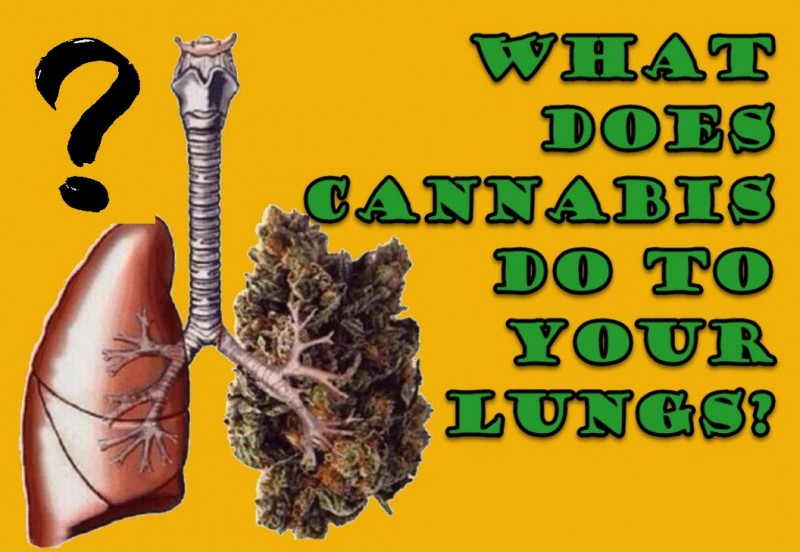
The Centers for Disease Control and rehabilitation specialists report that cannabis smoke can irritate the lungs, similar to tobacco smoke, although long term risks differ. Heavy smokers often experience chronic bronchitis symptoms including coughing and difficulty breathing.
Once smoking stops, the lungs begin repairing themselves. Some improvements occur within days. Others, such as increased lung capacity and endurance, take weeks or months. Dorian noticed significant gains around the three-to-six-month period, which aligns with general recovery timelines described by medical professionals.
Smoking marijuana clearly damages the human lung. Research shows that smoking marijuana causes chronic bronchitis and marijuana smoke has been shown to injure the cell linings of the large airways, which could explain why smoking marijuana leads to symptoms such as chronic cough, phlegm production, wheeze, and acute bronchitis
Resetting Eating Habits and Appetite Control
Cannabis is known for stimulating appetite. For some users, this is beneficial, especially in medical contexts where appetite loss is a concern. For daily recreational users, however, this effect can contribute to overeating or poor dietary choices.
Dorian admitted that while high, he often snacked excessively and gravitated toward unhealthy foods. At one point, he was borderline prediabetic. After quitting, his appetite became more balanced. His cravings leveled out and he found it easier to make healthier choices.
Recovery centers note that appetite may drop in the first days without THC but stabilizes over time. As appetite normalization occurs, people often experience better energy levels and improved metabolic balance.
Clearing Brain Fog and Cognitive Recovery
One of the clearest transformations Dorian described was the return of cognitive clarity. While smoking daily, he struggled with concentration. He had difficulty reading, focusing, and processing new information. This foggy feeling is common among heavy users.
Scientific studies suggest that THC affects several brain regions involved in attention, memory, learning, and decision making. Some cognitive improvements can begin within two to three days of abstinence, while others may take weeks. Heavy long-term users may need more time to recover fully.
The MRI study published in JAMA Network Open supports this pattern. Reduced activity in working memory regions may contribute to fogginess or difficulty performing cognitive tasks. As THC leaves the brain and receptors normalize, functional activity can return.
By months four to six, Dorian reported feeling sharper, more organized, and more motivated to pursue personal goals. He described this period as a turning point in his overall recovery.
Improvements in Sleep and Dream Cycles
Many users rely on cannabis to fall asleep quickly. While THC can help with sleep onset, it affects REM sleep and reduces dreaming. With long term use, many people report not remembering dreams at all.
When Dorian quit, he initially experienced disrupted sleep. Over time, however, he began waking up more refreshed. His energy levels stabilized, and his dream cycles returned. This pattern is common as the brain rebalances its natural sleep architecture.
Research indicates that REM rebound, a temporary increase in vivid dreaming, can occur during early abstinence. Eventually, sleep becomes deeper and more restorative.
Understanding Why Withdrawal Happens
Withdrawal occurs because the brain adapts to frequent THC exposure. Cannabinoid receptors adjust their sensitivity as a response to constant stimulation. When THC is removed abruptly, these receptors need time to return to their normal function.
Medical News Today explains that cannabinoid receptor recovery begins after about two days of abstinence but may take up to four weeks for full normalization. During this period, discomfort is common but generally not dangerous.
Hydration, balanced nutrition, stable sleep patterns, exercise, and support systems are often recommended to help people manage withdrawal symptoms.
Long Term Brain Adaptation After Quitting

Scientists are still studying how long cannabis affects the brain after quitting. Data is mixed. Some studies suggest full cognitive recovery for adults may occur within weeks. Others point to longer lasting effects in people who smoked heavily for many years.
The adolescent brain appears to be more vulnerable. Heavy cannabis use during teenage years has been linked to long term challenges with memory and decision making. However, adult users like Dorian often experience significant cognitive rebound because the adult brain is generally more resilient.
Large ongoing studies, including the Adolescent Brain Cognitive Development Study, aim to clarify how genetics, environment, and cannabis interact to shape brain development.
Lifestyle Changes and Rebuilding Structure
Quitting cannabis often influences lifestyle beyond physical and cognitive health. For Dorian, the months after quitting brought renewed motivation. He became more consistent with fitness, work, and daily routines. He felt more engaged with long term goals and more present in social situations.
Many rehabilitation experts observe similar outcomes. When cannabis no longer shapes daily habits, people often reconnect with routines, relationships, and responsibilities. They may save money, start new hobbies, and regain a sense of control.
These lifestyle benefits accumulate gradually, often reinforcing a person’s motivation to remain sober.
What Readers Can Learn From This Story
Dorian’s experience is one narrative among many, but it aligns with widely reported patterns supported by scientific research. A few key themes stand out.
- Heavy daily use comes with risks that may not be obvious at first. Over time, THC can influence cognition, mood, sleep, appetite, and lung health.
- Withdrawal can be challenging but temporary. Most symptoms peak early and fade as the brain adjusts.
- Cognitive clarity often improves significantly with sustained abstinence. Memory, focus, and motivation typically rebound.
- Emotional stability may increase. Many people feel clearer and more grounded without constant THC.
- The brain is capable of recovery. Adaptation takes time, but improvement is common among adult users who quit.
Why This Story Matters
Quitting cannabis after years of heavy use is not a simple process. It involves emotional effort, physical adjustment, and a willingness to sit with discomfort as the brain recalibrates. For Dorian, the early weeks were the hardest. Yet the months that followed brought mental clarity, emotional stability, improved lung function, better sleep, and a renewed sense of purpose.
Current research supports many of the changes he experienced. Studies show that heavy cannabis use can influence cognition, brain activity, and long-term functioning. They also indicate that recovery is possible and often substantial. Scientists continue to investigate how cannabis affects the brain throughout life, especially as potency rises and legalization expands.
For readers curious about their own relationship with cannabis, Dorian’s story and the accompanying scientific evidence provide a grounded, neutral perspective. It suggests that while cannabis affects each person differently, the brain remains adaptable. Understanding these patterns can empower individuals to make informed decisions about their own health and well-being.
Just because the state allows it doesn’t mean it should be allowed to open in a small town like this.

Washington State is creating more drug addicted residents daily….
Scromiting” is a grim slang term for the severe nausea and vomiting that can come with cannabinoid hyperemesis syndrome (CHS), a complication linked to long-term heavy cannabis use. As ER clinicians report seeing more cases, the condition is forcing a fresh look at the gap between marijuana’s “harmless” reputation and its real-world risks.